Why Red Light Therapy Is Becoming Popular for Everyday Health
Interest in personal wellness continues to grow as people look for practical ways to support their daily health routines. Alongside balanced nutrition, regular exercise, and quality sleep, many individuals are exploring wellness technologies that fit easily into everyday life. One option receiving increasing attention is red light therapy. As interest grows, many consumers also spend time researching the best red light therapy devices that match their wellness goals and lifestyle. This approach uses specific wavelengths of red and near-infrared light to expose the body’s tissues to controlled levels of light energy. Unlike ultraviolet light, which can damage the skin with excessive exposure, red light therapy is designed for wellness applications when used according to manufacturer instructions. Available in clinics, wellness centers, gyms, and home devices, red light therapy has become more accessible than ever. Understanding why red light therapy is becoming popular for everyday health helps explain its growing role in modern wellness routines.
Exploring the Science
The popularity of red light therapy is closely connected to ongoing scientific interest. Researchers have spent years studying how certain wavelengths of light interact with cells and tissues. This field of research is often referred to as photobiomodulation. Studies suggest that red and near-infrared light may influence how cells produce energy by interacting with structures known as mitochondria. These cellular components help generate energy that supports normal biological processes. Scientists continue investigating how these interactions may contribute to various aspects of health and recovery. Although research is still expanding in several areas, growing scientific attention has increased public awareness and encouraged more people to learn about the technology.
Supporting Daily Wellness

Many people are not seeking dramatic health changes. Instead, they are interested in habits that complement an already healthy lifestyle. Red light therapy fits this approach because sessions are generally simple and require little effort. Individuals often schedule treatments alongside exercise, stretching, meditation, or evening relaxation routines. Home devices have also made regular use more convenient. Rather than replacing healthy habits, red light therapy is commonly viewed as an additional wellness practice. Many users appreciate that sessions are quiet, non-invasive, and relatively easy to incorporate into busy schedules.
Encouraging Recovery
Recovery has become an important part of modern health discussions. Whether someone exercises regularly, works long hours, or simply manages everyday responsibilities, allowing the body time to recover is essential. For this reason, red light therapy has attracted attention among athletes, fitness enthusiasts, and physically active individuals. Researchers continue studying its potential role in supporting normal recovery processes following exercise. Many wellness professionals emphasize that recovery involves multiple factors, including sleep, hydration, nutrition, and appropriate physical activity. Red light therapy is often explored as one part of a broader recovery strategy rather than a standalone solution.
Expanding Home Accessibility
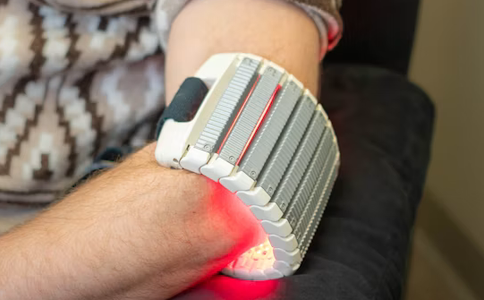
One reason red light therapy continues to gain popularity is its improved accessibility. Years ago, treatments were primarily available through specialized clinics or professional wellness facilities. Today, consumers can purchase compact panels, handheld devices, wearable products, and larger home systems designed for personal use. This wider availability allows people to include sessions in their regular routines without scheduling appointments. Manufacturers have also introduced devices with user-friendly controls and clear operating instructions. While product quality varies, greater accessibility has made the technology more familiar to consumers interested in preventive wellness and self-care.
Increasing Interest in Preventive Care

Healthcare conversations increasingly focus on maintaining wellness instead of responding only after problems develop. Many individuals now prioritize habits that support long-term health through consistent daily practices. Red light therapy reflects this shift toward preventive wellness. Users often explore it alongside healthy eating, regular movement, stress management, and sufficient sleep. Rather than expecting immediate or dramatic changes, many people appreciate the opportunity to build sustainable routines over time. Public interest has also grown through educational resources, healthcare discussions, and scientific publications. As people become more informed about different wellness options, they are better equipped to discuss these …